

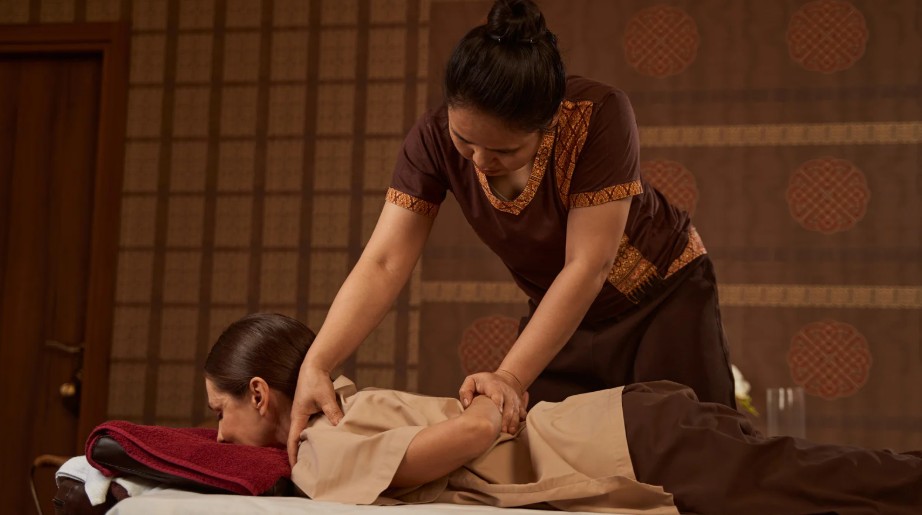
Across the world, massage has long been celebrated as a way to release tension, improve wellbeing, and restore balance. Yet, among the many styles, Thai massage continues to stand apart. Rooted in centuries of tradition, it combines physical therapy, mindfulness, and cultural heritage into one deeply enriching practice.
Unlike other treatments that focus solely on relaxation, Thai massage is both invigorating and meditative, offering an experience that goes beyond the body and touches the mind.
How Did Thai Massage Originate?

Thai massage, also known as “Nuad Thai,” traces its roots back over 2,500 years. Its foundations are believed to be influenced by Indian Ayurvedic medicine, yoga, and Buddhist philosophy.
Traditionally, it was practised in temples by monks, who viewed healing as a spiritual act as much as a physical one. This rich history explains why the practice is often described as a journey of inner connection rather than just a treatment.
Unlike Western massage therapies that rely heavily on oils and muscle kneading, Thai massage focuses on stretching, acupressure, and rhythmic movement. This heritage is part of what makes it feel so distinct and memorable.
Why Is Thai Massage Different from Other Massages?
The biggest difference lies in its method. Instead of lying passively on a table, the recipient of a Thai massage is guided through assisted stretches and yoga-like postures. The therapist uses their hands, elbows, knees, and even feet to apply pressure, creating a dynamic interaction.
This makes Thai massage a truly active process, one that blends relaxation with stimulation. Many people describe it as feeling like a workout and meditation rolled into one, leaving them both energised and calm.
What Benefits Can You Expect from Thai Massage?
The benefits of Thai massage extend far beyond physical relief. By combining pressure points with deep stretching, it improves circulation, enhances flexibility, and supports joint mobility. It’s often recommended for people dealing with back pain, stiff muscles, or stress-related tension.
But the experience is not just physical. Because of its meditative qualities, many find it clears mental fog, reduces anxiety, and fosters mindfulness.
This unique combination of body and mind benefits explains why Thai massage has remained popular for centuries and why modern wellness spaces continue to embrace it.
How Does the Experience Feel During a Session?

A typical Thai massage session can last anywhere between 60 and 120 minutes. Rather than oils and soft music, you’ll often find yourself in a quiet room, clothed in comfortable attire that allows free movement. The therapist carefully guides you through stretches while applying pressure at key points.
At times, it can feel intense, particularly if your body holds a lot of tension, but this is part of the process. The rhythm of the movements, combined with controlled breathing, creates a balance between effort and release. The result is not just relaxation, but a renewed sense of vitality.
Why Is Thai Massage Becoming Popular in the West?
As lifestyles become increasingly stressful, more people are searching for holistic approaches to wellbeing. Thai massage appeals because it doesn’t just address physical pain, it also offers a mindful escape.
Western wellness culture has embraced yoga, meditation, and mindfulness in recent years, and Thai massage aligns perfectly with these practices.
Additionally, travellers returning from Thailand often share their experiences, sparking curiosity and demand in other countries. This global exchange has helped Thai massage grow from a cultural tradition to an internationally recognised therapy.
What Role Does Culture Play in Thai Massage?
Culture is at the heart of Thai massage. The practice embodies respect, mindfulness, and connection, reflecting values deeply embedded in Thai society. Sessions often begin with a moment of stillness, where the therapist sets an intention to support healing. This cultural essence elevates the massage into something more profound than just physical therapy, it becomes a shared experience of care and presence.
This connection to culture is why the practice is not only listed as a wellness treatment but also recognised by UNESCO as an intangible cultural heritage. It highlights how Thai massage is both a practical therapy and a living tradition.
Conclusion
Thai massage is more than a method of easing tight muscles, it’s a centuries-old practice that unites body, mind, and spirit. Its unique approach of combining stretching, pressure, and mindfulness makes it one of the most transformative massage styles in the world.
For those curious about how wellness traditions shape modern lifestyles, exploring resources like South West Mag offers a deeper understanding of cultural practices, from local community insights to global health trends.
Whether you are new to holistic therapies or already a fan of mindful living, Thai massage is an experience that leaves a lasting impression, reminding us that healing is not only physical but also deeply human.